In our daily lives, we often come across various silicone rubber products ranging from phone cases to car tires. But have you ever wondered how they are made? Although there are many different types, the production processes are quite similar. Today, our editor will introduce this to you for your knowledge.
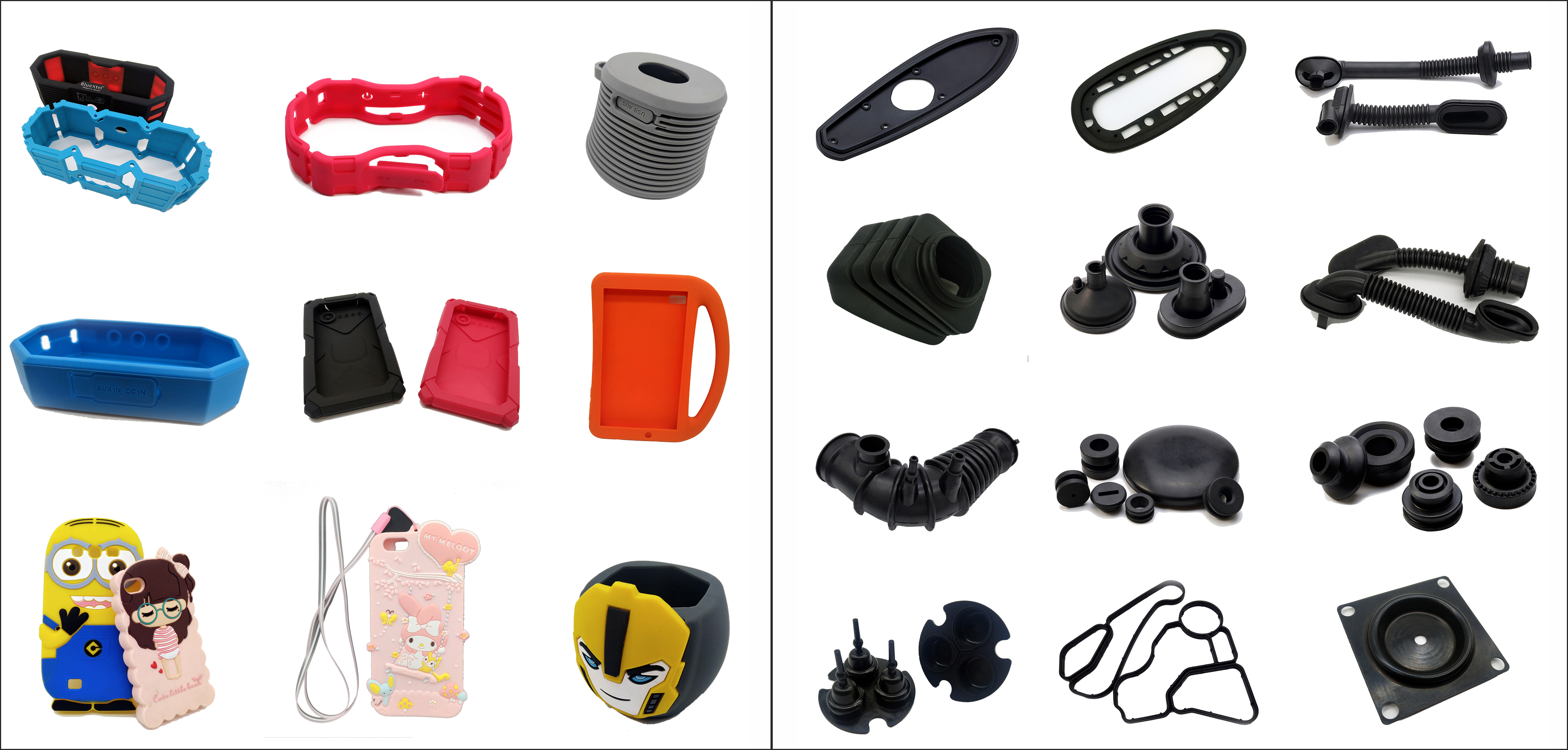
First, prepare the raw materials. The most basic one is raw rubber. Next are the auxiliary materials used to improve certain properties of the product (such as acid and alkali resistance, insulation, and fire resistance). Finally, there are the fibers and metal materials used to prevent the product from deforming. Although there are only a few types of materials, the amount of each raw material used is very carefully controlled, which is the key to testing the experience level of the workers.
The second step is plasticizing. Since the raw rubber is elastic and not conducive to processing, the plasticizing process is the one that makes the raw rubber pliable.
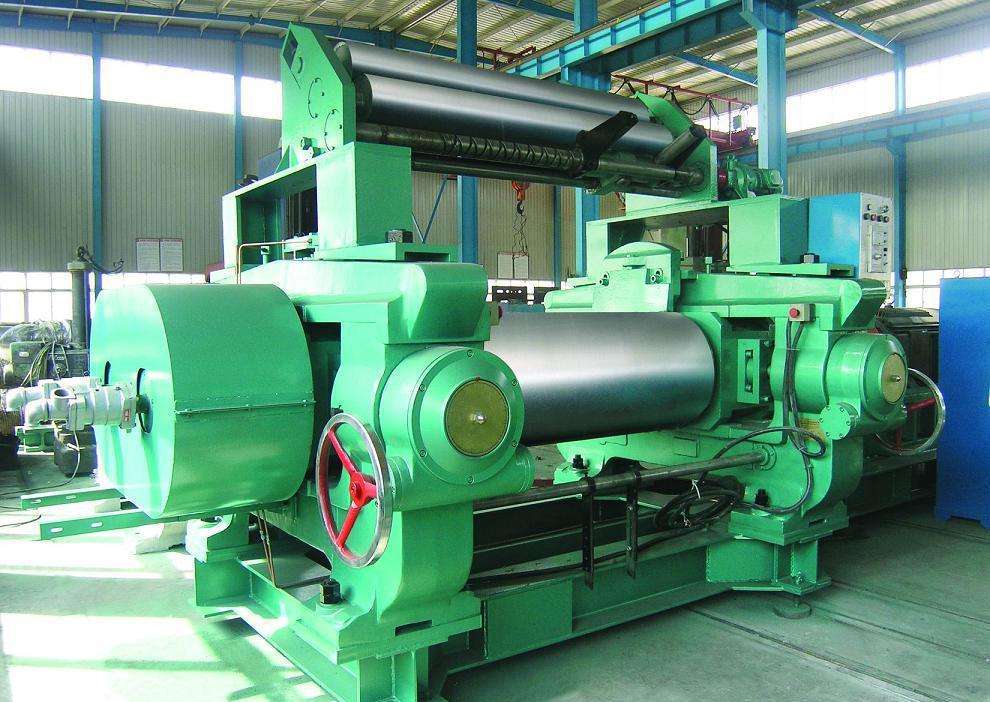
The third step is mixing. We often hear that products need to have properties such as chemical resistance, oil resistance, flame resistance, and insulation. These properties are obtained in this step by adding auxiliary materials (such as flame retardants, anti-static agents, fillers, etc.). The specific method is to mix the rubber after plasticizing with the additives together, and then put it into the mixing machine for stirring, allowing the additives and the rubber to be fully and evenly mixed. Mixing is an important process in the production process. If the mixture of the rubber after plasticizing and the additives is not even, it will ultimately affect the performance of the product.
The fourth step is shaping. This step involves actually seeing the silicone rubber products. There are many methods for shaping, such as compression molding, extrusion molding, injection molding, and calendering molding. Due to the abundance of content, the limited space, and the professional nature of the topic, please search it out on your own through Baidu.

The fifth step is vulcanization. Vulcanization involves adding some sulfur-based vulcanizing agents to the semi-finished product and heating it at a specific temperature. Eventually, it undergoes a process of transforming into a resilient material. It is important to note that insufficient or excessive vulcanization time can affect the performance of the product.
The final step is inspection, which includes visual inspection (for any frayed edges or defects), size verification (to ensure the dimensions are correct), and performance testing (to check for chemical resistance, oil resistance, flame resistance, insulation properties, etc.)
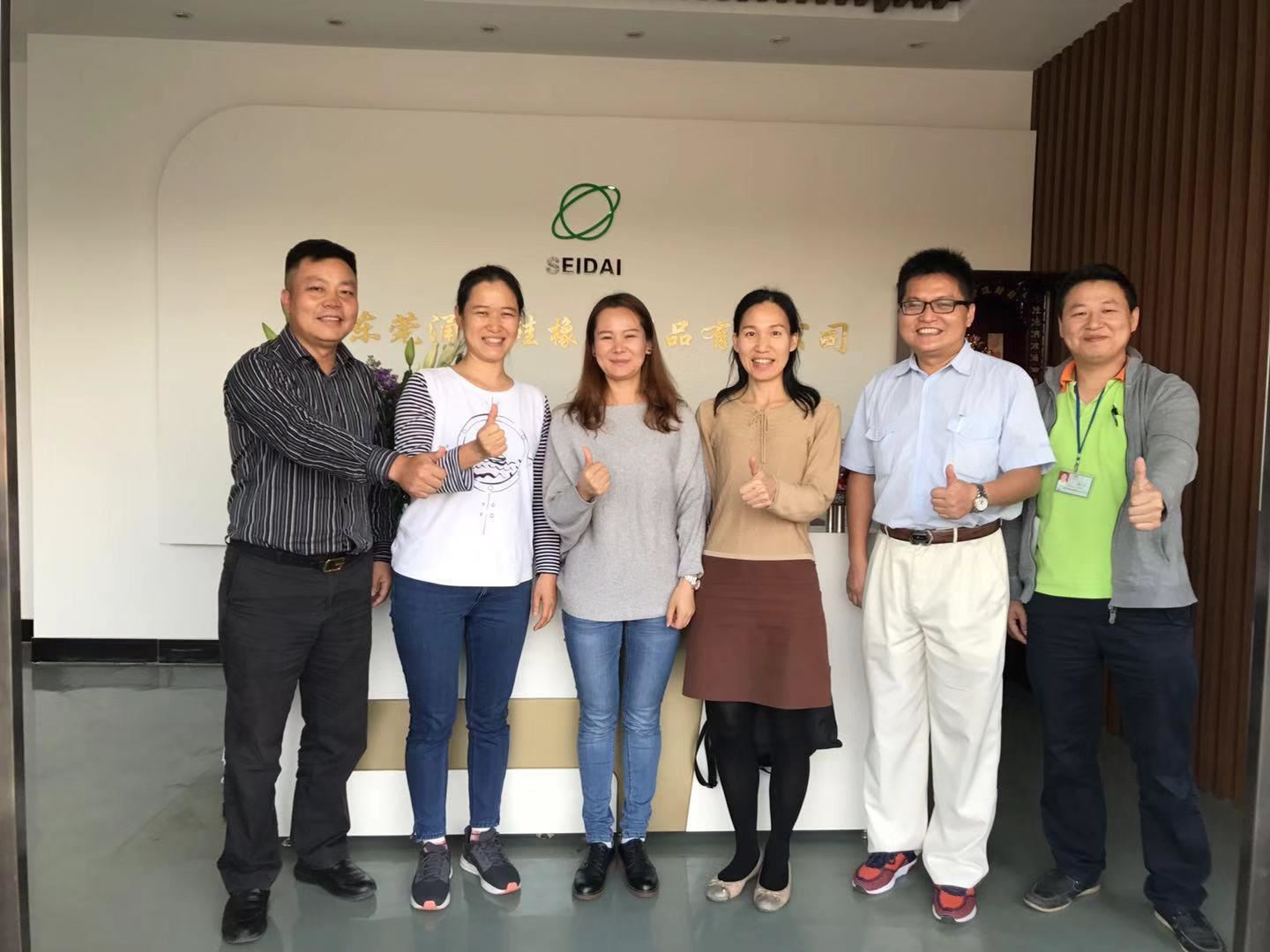
Yongyong Silicone Rubber has been dedicated to silicone rubber products for 25 years, providing a complete solution from material research, mold development to silicone rubber product manufacturing. Welcome to visit our factory. Website: www.seidai88.com
Contact number: 0769-85536776 / Miss Luo
Fax: 0769-85536576
Mobile: Mr. Liu / 13828899458 Email: jacob@seidai.com.cn Address:
Chang'an: No. 1, Kangtai Street, Xixi Industrial Zone, Chang'an Town, Dongguan City, Guangdong Province
Shatian Branch: Zoutaiwan Industrial Zone, Fuluoshan Village, Shatian Town, Dongguan City, Guangdong Province